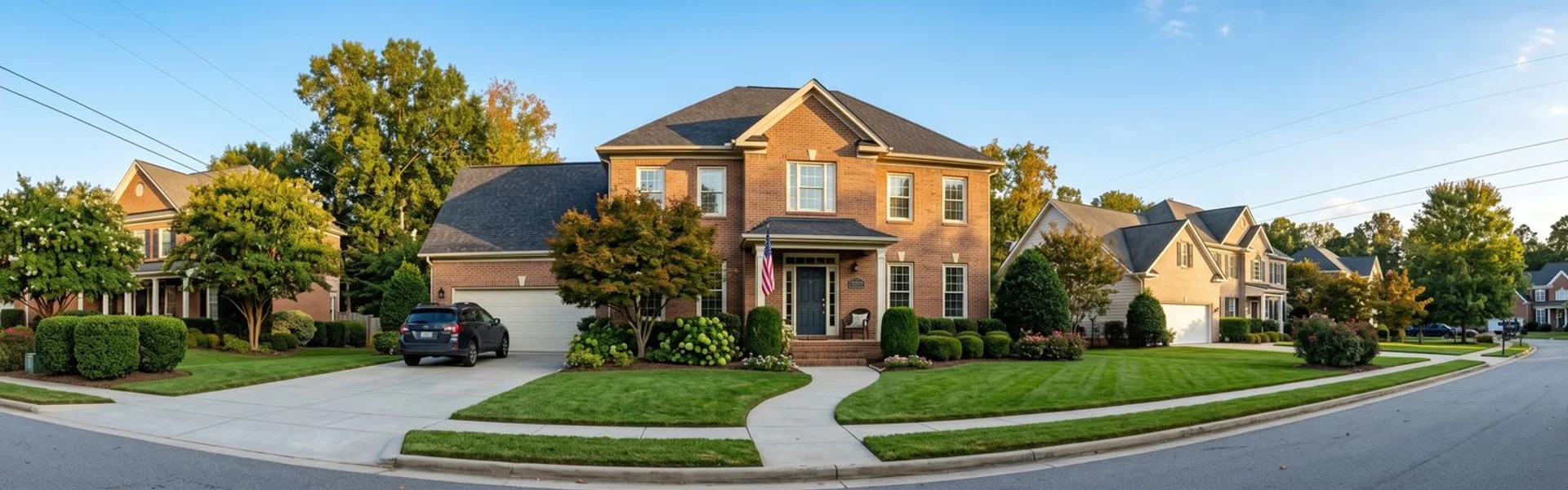
Will Pressure Washing Damage My Siding?
Damage modes from high-pressure on siding, why soft wash is safe, what to ask before hiring a Raleigh pro.
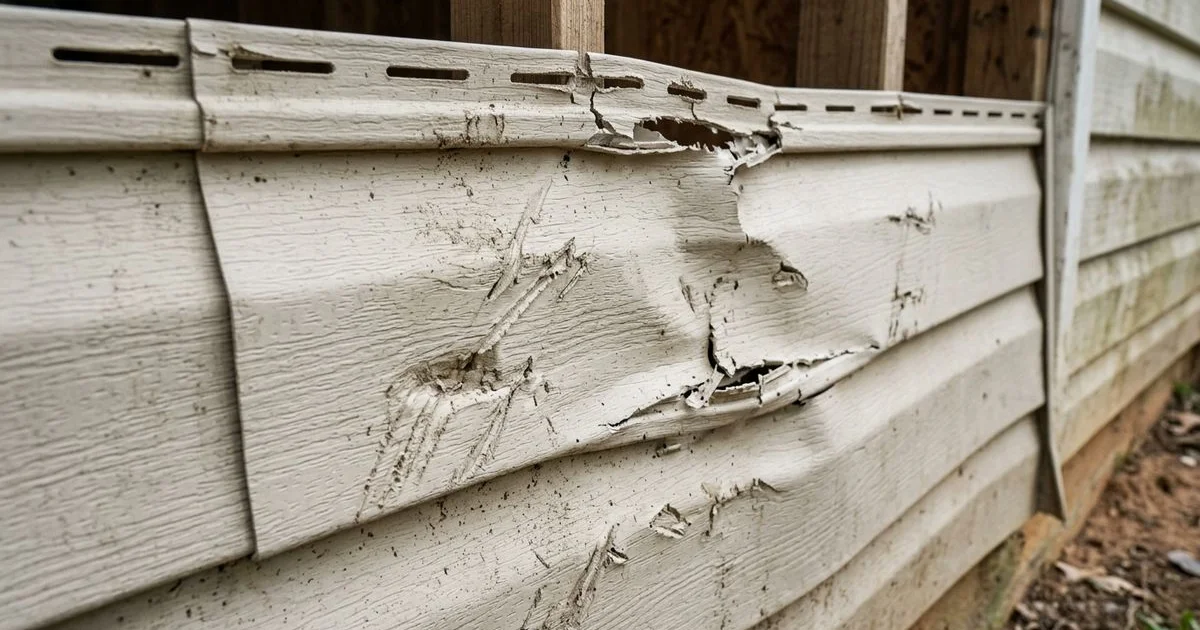
We often see well-meaning folks create massive repair bills simply by using the wrong cleaning equipment.
If you are wondering, will pressure washing damage my siding, the answer requires understanding proper techniques.
A quick glance at 2026 local pricing shows the average cost to replace vinyl siding in Raleigh is now $9,882.
Our team at Elite Pressure Washing Raleigh steps in to fix these exact disasters every single season.
Let’s look at the data, what it is actually telling us, and explore practical ways to respond without damaging your home.
The short answer
Pressure washing can absolutely damage your siding if you apply the wrong method.
We fix exterior damage all the time, and the destruction almost always comes from excessive force.
Applying anything over 1,500 PSI on delicate surfaces acts like a water scalpel.
Our experience shows most property damage stems from two distinct situations.
- DIY pressure washing with a rental unit, zero chemistry knowledge, holding the wand too close, or using the wrong nozzle.
- Cheap contractors running wand-only high-pressure passes to save time, skipping soft-wash chemistry entirely.
When homeowners ask, is pressure washing safe for siding, the answer depends entirely on the equipment used.
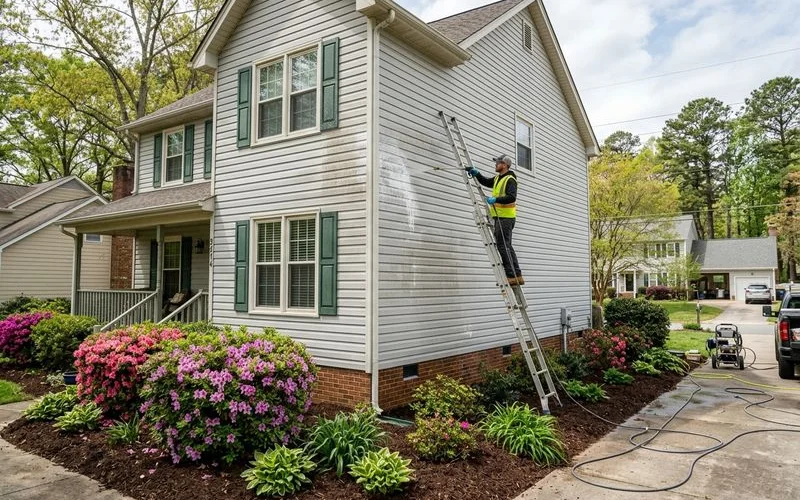
We rely on the soft wash approach to protect your exterior materials from structural harm.
Soft washing is safe for every common Raleigh siding type, including vinyl, brick, HardiePlank, stucco, and painted wood.
The chemistry does the heavy lifting while the water pressure stays well under 100 PSI.
The specific damage modes
Across thousands of Triangle homes, the destruction from high-pressure siding washing breaks down into several predictable categories.
We cataloged these failures to help local customers understand exactly what goes wrong when operators skip the soft wash.
Standard power washing equipment easily hits 3,000 PSI, which is more than enough force to permanently ruin your exterior.
This quick comparison highlights the dramatic difference in cleaning forces.
| Cleaning Method | Typical Water Pressure | Siding Safety Rating | Primary Cleaning Agent |
|---|---|---|---|
| Traditional Pressure Wash | 2,500 to 4,000 PSI | High Risk of Damage | High-velocity water |
| Professional Soft Wash | 60 to 100 PSI | Completely Safe | Biodegradable chemistry |
Let’s break down the most common issues into specific structural failures.
Siding and Trim Destruction
Vinyl and composite materials cannot withstand the aggressive bite of a high-pressure stream.
We frequently see pressure washer damage vinyl panels beyond repair because a wand was held too close to the surface.
- Vinyl gouges and warping: High pressure cuts into the plastic and permanently alters the shape of the panels.
- Water intrusion: The force pushes water straight into seams and behind boards, which creates hidden sheathing rot over time.
- Paint stripping: Painted wood and brick lose their protective coating quickly, resulting in severe peeling and chipping.
You might be surprised to learn that major manufacturers specifically forbid high-pressure cleaning.
A prime example is James Hardie, the maker of HardiePlank fiber cement siding.
Our technicians remind clients that using a pressure washer can completely void their 30-year limited warranty, as the company explicitly mandates low-pressure hosing and soft brushes.
Following the manufacturer guidelines keeps your home safe and fully covered.
Masonry and Window Failures
Brick and glass might feel tough, but targeted water streams destroy their protective elements instantly.
We handle restoration calls that involve secondary damage extending far beyond the siding itself.
- Window seal failure: Blasting water behind window glazing breaks the thermal seal, causing insulated glass to fog up permanently. Replacing a broken insulated glass unit costs between $75 and $200 per window in 2026, and full window replacements can hit $750 each.
- Caulk and trim damage: The intense stream strips away protective caulk lines around windows and doors, inviting immediate water leaks.
- Mortar erosion on brick: Close-range pressure wears down mortar joints in a matter of minutes faster than decades of natural rain.
All of these issues stem from basic method failures.
We avoid these expensive headaches by utilizing a proper soft wash process at sub-100 PSI with customized cleaning chemistry.
Professional chemistry does the work so high pressure never has to.
What to ask before hiring
Before hiring a contractor, you must confirm they use low-pressure soft washing and carry specialized property damage insurance.
We recommend treating the estimate process like a formal job interview to protect your financial investment.
Many unverified operators talk a big game but lack the technical knowledge to keep your property safe.
Our checklist ensures you only hire legitimate professionals.
Ask these specific questions to filter out the amateurs.
- Do you use soft-wash chemistry (surfactant plus sodium hypochlorite) for siding? (Right answer: yes)
- What PSI do you run for siding? (Right answer: strictly under 100 PSI)
- Are you insured, and can I see a Certificate of Insurance (COI)? (Right answer: yes, $1M minimum, $2M preferred)
- Does your policy include a “Care, Custody, and Control” endorsement? (Right answer: yes. Standard general liability excludes damage to the actual property being worked on, so this specific endorsement covers faulty workmanship accidents.)
- Do you pre-rinse landscaping? (Right answer: yes, as standard protocol to protect plant life)
- Do I get a written estimate before work starts? (Right answer: yes, no exceptions)
A contractor who hedges or talks around any of those answers is not running a legitimate soft-wash operation.
We use this exact transparent approach for every house washing job to guarantee total peace of mind.
Call us at 919-890-9074 for a free property walk before any work begins so you can safely restore your curb appeal.
Frequently Asked Questions
How can I tell if a contractor will use safe pressure?
Can pressure washing crack my window seals?
What if my siding is already damaged?
Learn more about
House WashingLow-pressure soft washing for siding, brick, and stucco — removes dirt, mold, mildew, and pollen without damaging finishes.
Related Guides
Green Algae and Mold on Siding: Causes and Treatment
Why NC humidity drives Gloeocapsa magma, why rinsing doesn't kill it, how often it returns in Raleigh.
How Much Does House Washing Cost in North Carolina?
Typical NC house-wash prices by stories and surface area, add-on costs, what cheap quotes leave out.
House Washing vs Repainting: When to Choose Each
When $400 soft wash gets you years of fresh siding vs $8,000 repaint — visual cues and decision framework.
How Often Should You Wash Your House in North Carolina?
12-18 month cadence for NC homes, what shortens the cycle, signs you're overdue.