
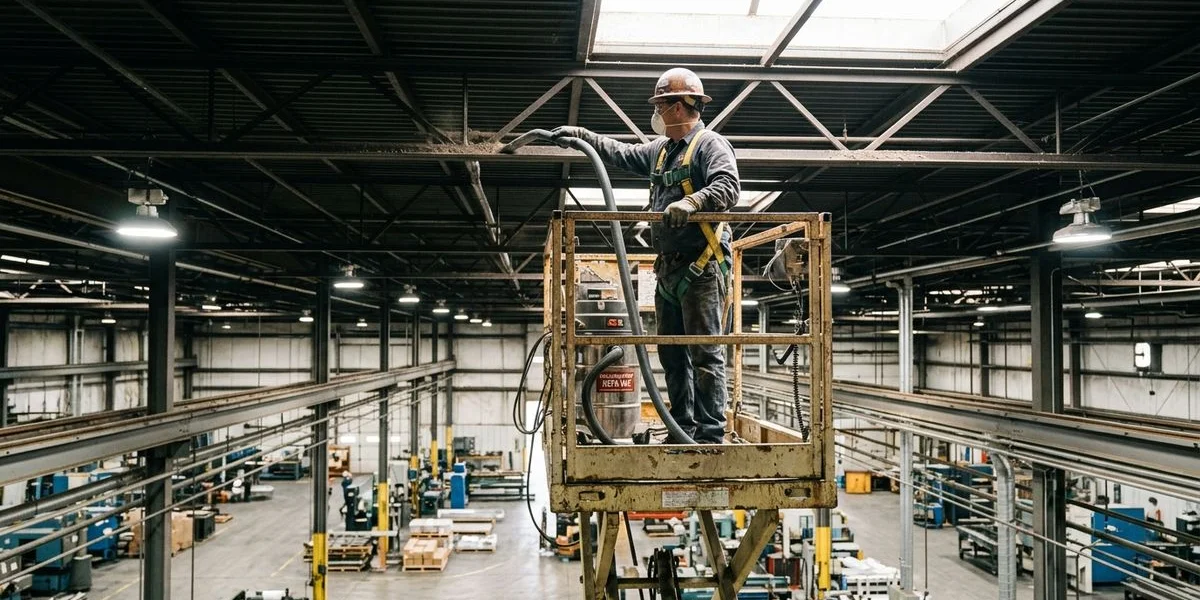
OSHA-Compliant Combustible Dust Removal for NC Facilities
Non-invasive, OSHA/NFPA 652-compliant removal of combustible dust from rafters, girders, pipes, and light fixtures using explosion-proof vacuums and aerial lifts.
Why Raleigh Clients Call Us for Dust Removal
OSHA / NFPA 652 Violation Risk
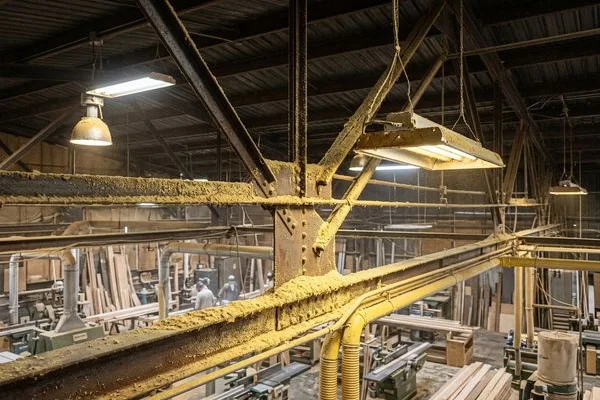
Combustible dust accumulation on rafters and girders is an OSHA-regulated explosion hazard. An inspection while dust is present is a serious liability.
Heights Your Crew Can't Reach
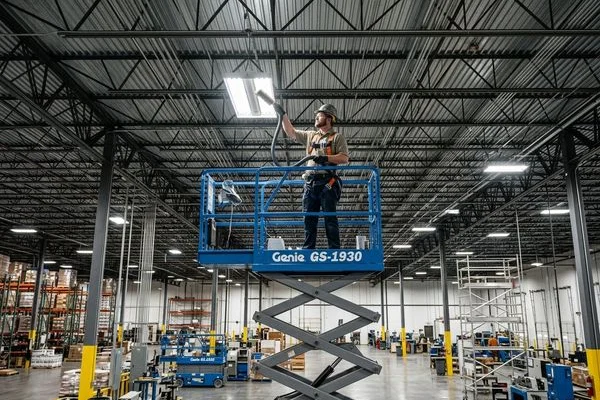
30-foot ceilings, structural steel at height, and light fixtures over production floors require aerial or scissor lifts. Standard cleaning crews aren't equipped.
Explosion Hazard
Sawdust, grain, coal, and plastic dust have documented Kst explosion ratings. Conventional vacuums spark. NFPA 652 requires Class II Division 1 equipment.
No EHS Documentation
Inspectors want before/after photos, methodology records, and a signed completion form. We provide all of it as standard.
What Our Dust Removal Service Includes
Combustible dust accumulating on rafters, girders, pipes, ductwork, and light fixtures is an OSHA-regulated explosion hazard governed by NFPA 652. We bring Class II Division 1 explosion-proof vacuums, HEPA-filtered capture, and aerial/scissor-lift access to clear sawdust, coal dust, grain dust, sugar dust, and plastic dust from heights that production crews can't reach safely. Documentation provided for your EHS records.
- OSHA / NFPA 652-aligned methodology
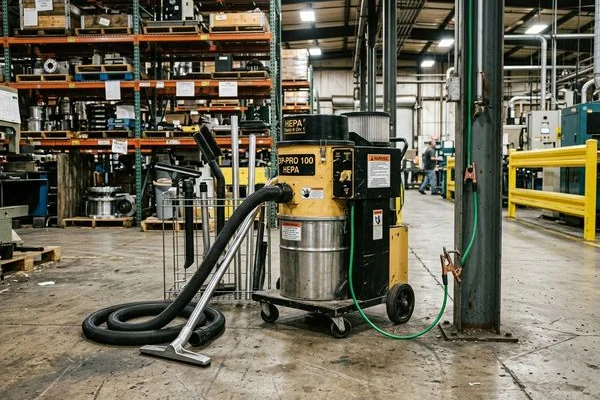
- Class II Division 1 explosion-proof vacuum systems
- HEPA filtration and contained dust disposal
- Aerial and scissor lift safety operations
- Production-phased scheduling — no full shutdown required
Have you ever looked up at the rafters in your production floor and felt a sudden wave of anxiety about the buildup? We completely understand how easy it is to overlook high ceilings when you are focused on daily operations.
You might be surprised to learn that a dust layer just 1/32 of an inch thick, which is about the size of a paperclip, can trigger a catastrophic event if it covers just five percent of a room.
Our team at Elite Pressure Washing Raleigh handles high ceiling and combustible dust removal every day, and we want to share the exact steps to keep your building safe. Let’s walk through the details together, and I will show you everything you need to know to protect your investment.
Why this isn’t general industrial cleaning
High ceiling and combustible dust removal sits in a category completely by itself. We treat this as a specialized safety operation because the hazards are incredibly real.
Suspended dust at the right concentration serves as the ignition source for secondary explosions in almost every recorded industrial event. Our team follows the National Fire Protection Association guidelines, particularly the transition from NFPA 652 to the new NFPA 660 standard published in late 2024.
”A 2024 report from DustEx Research identified 53 explosions and 263 fires related to combustible dust in just a single year.”
Our comprehensive approach guarantees your building will not become part of those terrifying statistics. Proper compliance requires methods that go far beyond a standard janitorial sweep.
- Equipment rated for hazardous locations (Class II Division 1): This specialized gear ensures no stray static sparks or ignition sources are introduced during the vacuuming process.
- True HEPA filtration at the vacuum exhaust: These heavy-duty filters capture 99.97% of particles down to 0.3 microns, so microscopic dust is never recirculated into the facility air.
- Non-energetic removal methods: Standard compressed air and push brooms are strictly prohibited because they put dangerous dust back into dangerous suspension.
- Documentation aligned to NFPA guidelines: Detailed service records perfectly integrate into your mandatory Dust Hazard Analysis file.
Facility types we handle
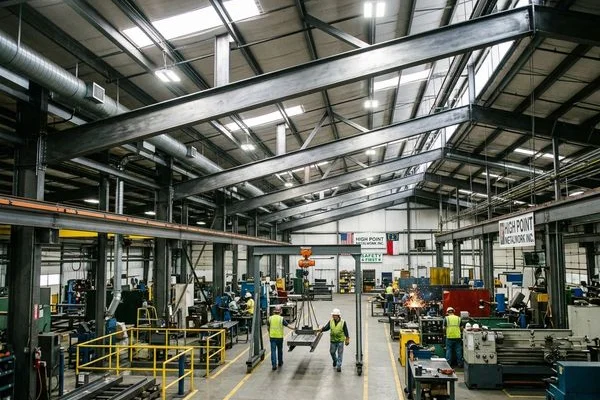
We partner with a wide variety of industrial clients across the NC Triangle region. Different manufacturing environments produce unique airborne byproducts that require specific removal strategies.
Our technicians understand that neglecting these overhead spaces can lead to severe financial penalties. In 2025, the maximum OSHA penalty for a single serious safety violation jumped to $16,550, making proactive cleaning a smart financial decision.
We specialize in safely mitigating hazards across several high-risk sectors.
| Facility Type | Typical Accumulation Zones | Specific Risk Factor |
|---|---|---|
| Wood products & cabinet manufacturing | Rafters, dust collectors, and conveyors | Fine sawdust acts as a highly volatile fuel source. |
| Food processing & milling | Overhead pipes, silos, and mixing rooms | Purdue University reports an average of 7.8 grain dust explosions yearly in the US. |
| Plastics & resin processing | Production floor ceilings and HVAC vents | Microscopic plastic dust generates dangerous static electricity. |
| Coal handling & power generation | Boiler rooms, conveyors, and storage overheads | Coal dust requires constant mitigation to prevent rapid deflagration. |
| Metal-working & fabrication | Machining operation ceilings and exhaust hoods | Fine metallic dust from aluminum or magnesium is highly reactive. |
Certain industries face higher scrutiny during routine safety inspections. Our crews help local plant managers maintain compliance before an auditor ever walks through the door.
Staying ahead of the cleaning schedule prevents unexpected production shutdowns.
What the documentation typically includes
We provide comprehensive paperwork to protect your business from liability. Proper record-keeping is just as crucial as the physical cleaning process itself.
Our documentation packages are designed to satisfy the strictest insurance auditors and regulatory inspectors. The NFPA requires facilities to review and update their Dust Hazard Analysis (DHA) every five years, making accurate historical records incredibly valuable.
We ensure you have every piece of evidence required to prove your compliance. A complete service portfolio typically features several critical documents.
- NFPA-aligned methodology statements: This outlines the exact non-sparking procedures used in your facility.
- Equipment certification copies: You will receive proof that all vacuum systems meet Class II Division 1 hazardous location standards.
- Before and after photography: High-resolution images provide undeniable visual proof of cleaned overhead zones.
- Signed completion forms: These official sign-offs drop perfectly into your active EHS compliance file.
- Scope-of-work documentation: Detailed reports outline the exact square footage and methods used, which is ideal for OSHA inspections.
We guarantee that the paperwork provided will help your environmental health and safety officers sleep peacefully at night. This thorough documentation pairs naturally with routine exterior maintenance, especially when you schedule commercial pressure washing for production-area floors and loading docks that also need attention.
Our team is always ready to collaborate on a facility-wide hygiene program across the NC Triangle. Proper high ceiling and combustible dust removal protects your property investment, and it starts with one simple phone call.
How Much Does Dust Removal Cost in Raleigh?
All combustible dust work is custom-quoted by facility square footage, ceiling height, dust type, and required documentation level.
Final pricing depends on square footage, surface type, and access. We quote in writing after a free property walk.
Get a Free Written EstimateOur Dust Removal Work in Raleigh
Why Choose Us for Dust Removal
Triangle-trusted soft-wash specialists with 15 years of damage-free exterior cleaning for Raleigh homes, civic buildings, and industrial facilities.
OSHA / NFPA 652 Aligned
We follow the NFPA 652 Standard on the Fundamentals of Combustible Dust. Methodology documented for your EHS file.
Class II Division 1 Equipment
Explosion-proof vacuum systems certified for use in classified hazardous locations. The standard most general-cleaning contractors can't meet.
Aerial / Scissor Lift Trained
OSHA-trained operators for aerial and scissor-lift work in occupied facilities. Safety-first scheduling around production.
Phased / Off-Hours Scheduling
Most projects run during shift breaks, weekends, or overnight shutdowns. No full plant shutdown required.
How Our Dust Removal Process Works
Site walk + hazard assessment
We walk the production floor with your EHS officer. Document dust type, accumulation depth, and Kst classification.
Equipment mobilization
Class II Division 1 explosion-proof vacuum, HEPA capture, aerial / scissor lift, and full PPE on-site for the scheduled window.
Phased cleaning
We work around production schedules. Aerial work on rafters, girders, pipes, and fixtures. No high-energy methods that could ignite suspended dust.
Documented completion
Before/after photos, signed completion form, and methodology documentation for your EHS file and any OSHA inspection.
Ready for a Free Dust Removal Estimate?
We quote in writing after a free property walk. 100% satisfaction guaranteed. Same-day estimates available across the NC Triangle.
What Customers Say About Our Dust Removal
"We needed combustible dust cleared off the rafters in our facility ahead of an OSHA inspection. Elite scheduled around our production hours, brought the explosion-proof equipment, and gave us documentation for our EHS file. Top-tier."
"Documentation was exactly what we needed for the audit. Crew worked around our second-shift production, no operational disruption."
"We'd had two other contractors say they couldn't do it without shutting the line down. Elite came in with the right equipment and phased it across three weekend visits. No downtime."
Dust Removal FAQs
What is NFPA 652 and why does it matter?
What dust types do you handle?
Why does it have to be explosion-proof equipment?
Can you work without shutting down our facility?
What documentation do you provide?
Related Dust Removal Guides
Deep-dive answers to the questions Raleigh homeowners ask before booking.
Explosion-Proof Vacuum Equipment and Scissor Lift Operations
Class II Division 1 standards, HEPA filtration, aerial lift safety, structural-steel access.
Sawdust, Coal, and Grain Dust: Combustible Dust Hazards by Industry
Kst / explosibility profiles, accumulation rates, real-incident references, industry housekeeping intervals.
What to Expect from a Professional High Ceiling Dust Removal
Pre-visit walk, EHS coordination, production-shutdown vs phased, dust capture, post-clean documentation.
Ready to Book Dust Removal?
Call 919-890-9074 or request a quote online — we cover the entire NC Triangle.